
Seed Oils vs. Olive Oil: What’s the Difference for Your Health?
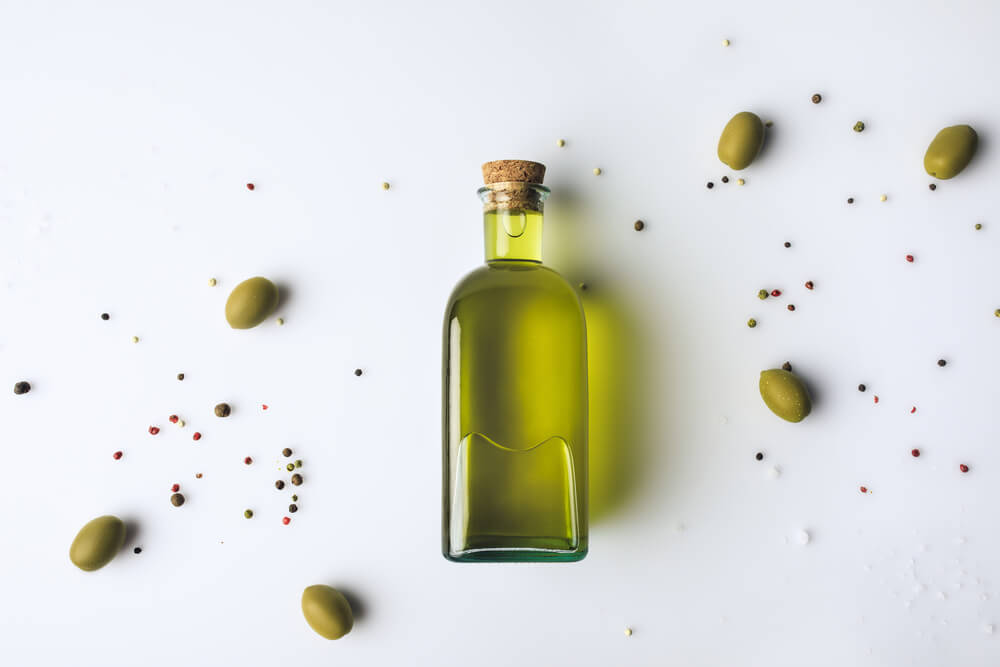
Some people swear by olive oil as the gold standard of healthy fats, while others are just beginning to question whether the seed oils hiding in their pantry and favorite packaged foods might be doing more harm than good. Understanding the difference between these two categories of cooking oils is one of the most practical steps you can take toward building a healthier diet.
This guide breaks down the science, the processing methods, and the real-world health implications so you can make informed decisions about the healthiest cooking oils for your kitchen.
What Are Seed Oils and Why Are They Everywhere?
Seed oils are vegetable-based oils extracted from the seeds of plants. Common examples include canola oil, soybean oil, sunflower oil, corn oil, cottonseed oil, safflower oil, and grapeseed oil. These oils became dominant in the American food supply over the course of the 20th century, largely because they were cheap to produce, had a long shelf life, and were heavily marketed as heart-healthy alternatives to saturated fats like butter and lard.
The problem that many nutrition researchers and health advocates now point to is how these oils are made. To extract oil from seeds, manufacturers typically rely on high heat and chemical solvents like hexane. The oil is then degummed, bleached, and deodorized before it ever reaches a bottle or gets used in processed food production. This industrial process strips away many naturally occurring nutrients and can generate harmful byproducts in the oil itself.
One of the central concerns around seed oils is their extremely high concentration of omega-6 polyunsaturated fatty acids (PUFAs), particularly linoleic acid. While the body does need some omega-6 fatty acids, the modern Western diet has created a wildly imbalanced ratio of omega-6 to omega-3 fatty acids. Historically, humans consumed these two types of fats in a rough ratio of about 1:1 to 4:1. Today, thanks in large part to the prevalence of seed oils in processed foods, that ratio has shifted to somewhere between 15:1 and 20:1 in favor of omega-6. This imbalance is increasingly linked to chronic inflammation, which underlies conditions like heart disease, diabetes, and obesity.
The instruction to avoid processed oils is not just trendy advice; it is grounded in a growing body of research suggesting that the processing and fatty acid profiles of these oils may contribute to long-term health risks rather than reduce them.
The Case for Olive Oil Benefits
Olive oil tells a very different story. It has been a cornerstone of the Mediterranean diet for thousands of years, and it is backed by some of the most robust nutritional research available. The olive oil benefits that researchers highlight are not just about what olive oil contains but also about what it lacks compared to its seed oil counterparts.
Extra virgin olive oil (EVOO) is made by mechanically pressing olives without the use of heat or chemical solvents. This cold-press extraction method preserves the oil’s natural antioxidants, including polyphenols and vitamin E, as well as its rich concentration of oleic acid, a monounsaturated fatty acid. Monounsaturated fats are far more chemically stable than polyunsaturated fats, which means olive oil is much less prone to oxidation when exposed to heat, light, or air.
Oleic acid, which makes up roughly 55 to 83 percent of olive oil’s fat content, has been associated with reduced inflammation, improved insulin sensitivity, and a lower risk of cardiovascular disease. The polyphenols found in high-quality extra virgin olive oil have demonstrated anti-inflammatory and antioxidant properties in numerous studies. One of the most well-known of these polyphenols is oleocanthal, which has been shown to inhibit the same inflammatory enzymes targeted by ibuprofen, though at lower intensity.
Large-scale studies, including the landmark PREDIMED trial conducted in Spain, found that participants who followed a Mediterranean diet supplemented with extra virgin olive oil had a significantly reduced risk of major cardiovascular events compared to those on a low-fat diet. This kind of evidence is hard to ignore when comparing seed oils vs olive oil from a long-term health perspective.
How Heat and Cooking Affect These Oils
One practical consideration that often gets overlooked in the seed oils vs olive oil conversation is how each type of oil behaves under heat. When cooking oils are exposed to high temperatures, they can oxidize and break down into harmful compounds, including aldehydes and other toxic byproducts. The stability of an oil under heat depends largely on its fatty acid composition and the degree to which it has already been refined.
Seed oils, because of their high polyunsaturated fat content, are particularly vulnerable to oxidative breakdown when heated. Ironically, many people use canola oil, sunflower oil, and soybean oil for high-heat cooking like frying and sauteing, which is precisely the context in which they degrade the fastest and produce the most harmful compounds.
Extra virgin olive oil, despite having a lower smoke point than some refined oils, is actually quite stable under moderate cooking heat. Research has found that the antioxidants in EVOO help protect the oil from oxidation even when temperatures rise. A study published in the journal Acta Scientific Nutritional Health found that extra virgin olive oil produced fewer harmful polar compounds when heated compared to many seed oils. For everyday cooking at moderate temperatures, EVOO performs well and safely.
For very high-heat cooking, refined olive oil or light olive oil can be used since refining raises the smoke point while retaining more stability than seed oils. Alternatively, oils like avocado oil and coconut oil are also considered among the healthiest cooking oils for high-temperature applications.
The Role of Inflammation and Long-Term Health
The inflammation angle is one of the most compelling reasons to reconsider seed oils in your diet. Chronic low-grade inflammation is not something you feel acutely on a daily basis, but over years and decades it quietly damages blood vessels, disrupts hormonal signaling, and contributes to the development of serious diseases.
The omega-6 fatty acids found in seed oils, when consumed in excess, can promote the production of pro-inflammatory signaling molecules called eicosanoids. This does not mean omega-6 fats are inherently evil; the body needs them. But the sheer volume of seed oils found in processed snacks, fast food, restaurant meals, salad dressings, and packaged goods means that most people are consuming far more omega-6 than their bodies were designed to handle.
Olive oil, on the other hand, works differently in the body. Its oleic acid content does not drive the same inflammatory cascade, and its polyphenols actively work to reduce oxidative stress. For anyone trying to build a genuinely anti-inflammatory diet, switching from seed oils to quality olive oil is one of the highest-impact changes they can make.
Conclusion
The seed oils vs olive oil debate is not just nutritional noise. The evidence points consistently toward olive oil, especially extra virgin olive oil, as the superior choice for everyday cooking and overall health. The olive oil benefits are well-documented, spanning cardiovascular health, inflammation reduction, and antioxidant protection. Meanwhile, the widespread instruction to avoid processed oils is supported by legitimate concerns about how seed oils are made and how their fatty acid profiles affect the body over time. Choosing the healthiest cooking oils does not have to be complicated: fill your pantry with extra virgin olive oil, use it generously, and leave the heavily processed seed oils behind.
Need Organic Health Products in Eau Claire, WI?
Since we established in 1971, our locally owned and family-operated store has been providing our community with over 21 years of experience, with a local resource for health-orientated food and products. Our highly qualified staff will walk you through our wide selection of products. We focus on delivering exceptional customer service to ensure you walk out with a better understanding of our products. Contact us today to learn more about what we can do for you!
Categorised in: Natural Products
Comments are closed here.